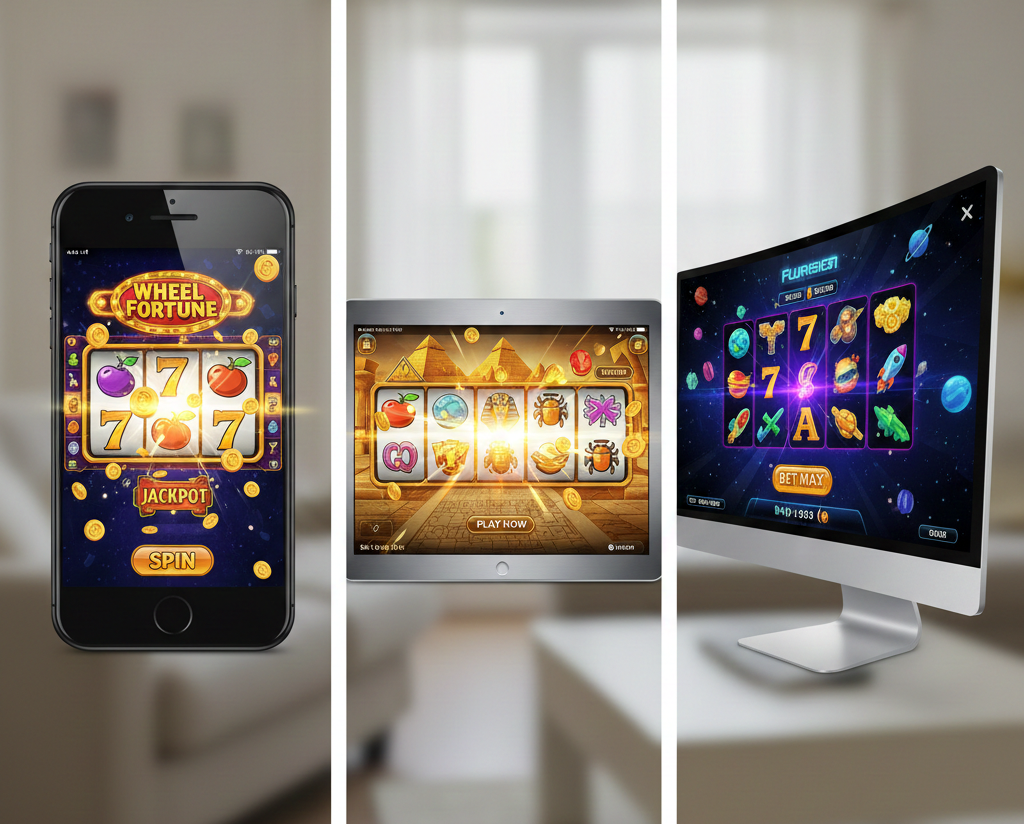
The gaming industry has been a powerhouse for decades, but its growth shows no signs of slowing. In 2026, gaming continues to be one of the strongest entertainment markets globally, with innovations in technology, expanding player demographics, and diverse gaming formats driving unprecedented engagement. From mobile gaming and console releases to online slots and live gaming experiences, the market has proven resilient and adaptable, maintaining a strong appeal for casual players and dedicated enthusiasts alike.
One major factor in gaming’s enduring strength is its accessibility. Modern gaming platforms allow users to engage anytime, anywhere. Smartphones, tablets, and laptops make it easy for players to dive into gaming sessions on the go, while consoles and PCs provide immersive experiences for those seeking high end graphics and gameplay depth. This versatility attracts a wide range of users, from casual players who enjoy short sessions to hardcore gamers who invest hours in complex narratives or competitive play. The ease of access ensures that gaming continues to capture attention across all age groups and demographics.
The slot gaming market, in particular, has played a significant role in sustaining the overall strength of the gaming industry. Online slots combine entertainment, strategy, and chance, appealing to players seeking both relaxation and excitement. With countless themes, engaging graphics, and interactive features, slots remain a core component of digital gaming revenue. Modern slots have evolved far beyond their mechanical origins, offering immersive experiences, bonus features, and progressive jackpots that keep players engaged. Games like Fishin Frenzy at Virgin Games illustrate this trend perfectly, combining fun gameplay, familiar themes, and opportunities for reward in a way that keeps players returning for more.
Technological innovation continues to propel the market forward. Advanced graphics, AI driven gameplay, cloud gaming, and virtual reality (VR) experiences have enhanced the overall appeal of gaming. Players now expect richer, more interactive experiences, and developers respond with increasingly sophisticated offerings. The result is a market that constantly reinvents itself, maintaining interest while drawing in new audiences. Innovations in VR and AR, in particular, are opening new doors for gaming, creating immersive environments where players can explore, compete, and collaborate like never before.
The social component of gaming also drives market strength. Multiplayer games, online communities, and competitive events create social interactions that extend beyond the gameplay itself. Players connect, collaborate, and compete with friends and strangers alike, creating a sense of community that keeps them engaged over the long term. This social dimension also encourages repeat engagement, as players return to maintain relationships, improve skills, and participate in events and tournaments.
Another factor contributing to the market’s robustness is diverse monetisation models. Developers leverage subscriptions, microtransactions, downloadable content, and in game purchases to generate revenue without limiting access. This flexibility ensures that both free to play and premium games can thrive, attracting a broad audience while maintaining profitability. Players are increasingly willing to invest in games they enjoy, creating sustainable revenue streams that fuel further innovation and development.
The competitive nature of the market also ensures continual improvement. Gaming companies constantly strive to offer unique experiences, attract new players, and maintain loyalty among existing users. This competition drives higher quality games, better customer experiences, and more engaging content, keeping the market dynamic and appealing. Players benefit from this innovation as developers respond to trends, feedback, and emerging technologies, constantly enhancing the gaming experience.
Slot gaming, in particular, demonstrates the market’s resilience. Themes, graphics, and bonus mechanics continue to evolve, keeping players entertained and engaged. From simple classic slots to elaborate story driven titles, the variety ensures that there is something for everyone. High quality design, familiar characters, and interactive elements create a sense of excitement and anticipation that appeals to a wide audience. Online platforms also allow for easy updates and seasonal variations, keeping content fresh and relevant.
The global reach of gaming ensures a consistent and growing market. Cultural adaptation, localised content, and regional expansions bring new players into the ecosystem, while online accessibility allows cross border engagement. Gaming is no longer confined to traditional markets; emerging economies are increasingly participating, adding to the overall strength of the industry. This globalisation ensures a continuously expanding audience, reinforcing gaming’s status as a robust, thriving market.
Gaming continues to be a strong and dynamic market due to its accessibility, technological innovation, social engagement, diverse monetisation models, and global reach. The slot gaming segment, in particular, contributes significantly to this growth, offering immersive experiences, variety, and entertainment that resonate with a wide audience. As developers continue to innovate and expand offerings, gaming is poised to maintain its dominant position, ensuring that players around the world will continue to enjoy compelling, engaging, and ever evolving experiences in 2026 and beyond.