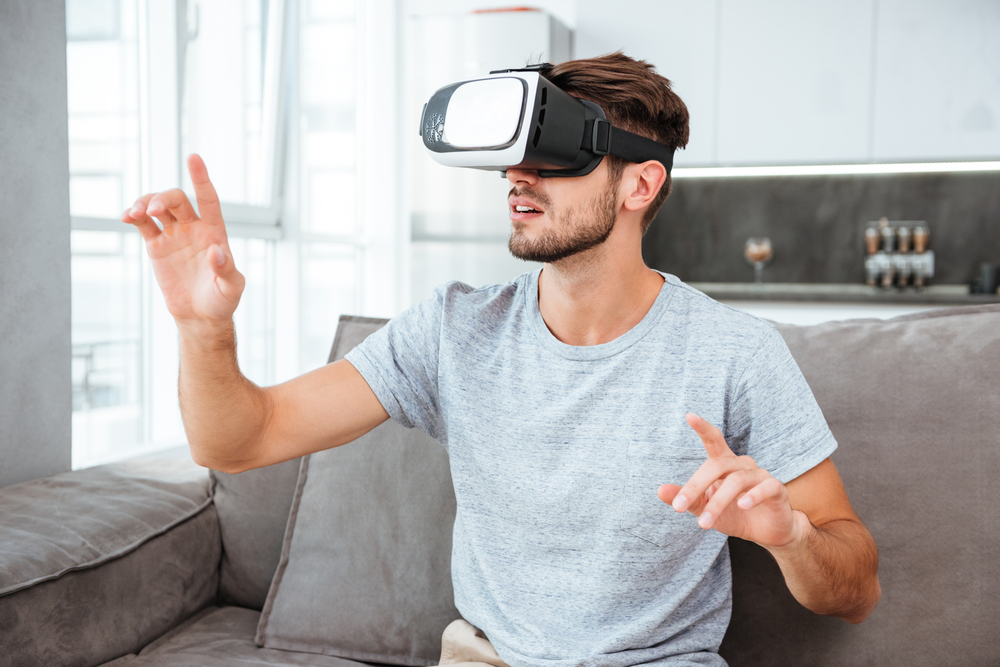
VFX (visual effects) are used in VR (virtual reality) games and experiences to create immersive and engaging visuals. Video game vfx can include things like particle effects, lighting, and other visual enhancements that help bring the game world to life.
Challenges of Using VFX in VR
- There are several challenges associated with using VFX in VR. One challenge is the need for high frame rates to avoid motion sickness. VR games must run at 60 fps on the PlayStation and 90 fps on PC, with no frame drops. This can be difficult to achieve while also incorporating complex VFX.
- Another challenge is the use of stereoscopic cameras for VR games, which can produce issues for traditional VFX methods such as the use of sprite sheets and billboards. Most of the effects using this method will look flat and lack depth.
Opportunities of Using VFX in VR
Despite these challenges, there are also many opportunities for using VFX in VR. VFX can help create more immersive and engaging gaming experiences by adding visual detail and realism to the game world. For example, particle effects can be used to create realistic fire, smoke, and other environmental effects.
Let’s dive deeper into opportunities VFX offers and what are the challenges.
Challenges of VFX in VR
- Technical challenges:
- Performance limitations: VR requires high frame rates (typically 90 frames per second or higher) to prevent motion sickness and maintain immersion, which can be challenging for VFX-heavy scenes.
- Hardware limitations: Current VR hardware has limited processing power and memory, which can restrict the complexity and quality of VFX that can be used.
- Optimization: VFX in VR needs to be carefully optimized to avoid performance issues and ensure a smooth experience for players.
- Design challenges:
- Balancing immersion with usability: VFX can enhance immersion in VR, but they can also be overwhelming and distracting if used excessively. Balancing the use of VFX with usability is crucial to creating a positive user experience.
- Avoiding motion sickness: Certain types of VFX, such as rapid camera movements or flashing lights, can trigger motion sickness in VR users. VFX needs to be designed carefully to avoid these issues.
- Ensuring clarity: VR can be disorienting, so VFX needs to be designed to communicate clearly and avoid confusion.
- Examples of VR games and experiences that have struggled with VFX implementation:
- Raw Data: A VR shooter that initially used a lot of particle effects, which caused performance issues and motion sickness. The developers had to significantly reduce the amount of particles to create a smoother experience.
- Eve: Valkyrie: A space combat game that had issues with clarity in its HUD, which made it difficult for players to read important information.
- Robinson: The Journey: A puzzle-adventure game that used a lot of particle effects, which caused performance issues on some VR platforms. The developers had to optimize the effects to improve performance.
Opportunities of VFX in VR
VFX (visual effects) can be a powerful tool for enhancing immersion and realism in VR (virtual reality) games and experiences. Here are some of the opportunities that VFX can provide in VR:
- Enhanced Interactivity: VFX can be used to create interactive elements in the game world that respond to player actions. For example, VFX can be used to create destructible environments, interactive objects, and other elements that enhance player agency and interactivity.
- Improved Visual Storytelling: VFX can also be used to enhance visual storytelling in VR games and experiences. For example, VFX can be used to create visual cues and transitions that help guide the player through the game’s narrative.
- Increased Emotional Impact: VFX can also be used to increase the emotional impact of VR games and experiences. For example, VFX can be used to create dramatic lighting, weather effects, and other visual elements that enhance the mood and atmosphere of the game world.
These are just a few examples of the many opportunities that VFX can provide in VR. By using advanced visual effects, game developers can create more immersive, engaging, and emotionally impactful gaming experiences.
Best Practices for VFX in VR
VFX (visual effects) can be a powerful tool for enhancing immersion and realism in VR (virtual reality) games and experiences. However, there are also several challenges associated with using VFX in VR. Here are some best practices for optimizing VFX for VR:
Technical Tips for Optimizing VFX for VR
- Use Particle Effects Sparingly: Particle effects can be computationally expensive and can impact performance in VR. To optimize performance, use particle effects sparingly and only when necessary to enhance the visual experience.
- Optimize for High Frame Rates: VR games must run at high frame rates to avoid motion sickness. To achieve this, it’s important to optimize VFX for performance and ensure that they do not cause frame drops.
Design Principles for Creating VFX that Enhance Immersion without Causing Discomfort
- Avoid Overstimulation: Too many visual effects can be overwhelming and can cause discomfort in VR. To avoid this, use VFX judiciously and only when necessary to enhance the visual experience.
- Use VFX to Enhance Realism: VFX can be used to enhance realism and immersion in VR by adding visual detail and realism to the game world. For example, particle effects can be used to create realistic fire, smoke, and other environmental effects.
Case Studies of VR Games and Experiences that have Successfully Navigated VFX Challenges
- Apex Construct: Apex Construct is a VR game that successfully navigates the challenges of using VFX in VR. The game uses a combination of technical optimization and careful design to create immersive and engaging visuals without causing discomfort or impacting performance.
The Future of VFX in VR
The future of VFX (visual effects) in VR (virtual reality) is exciting, with many emerging technologies and trends that will impact the way VFX are used in VR games and experiences.
Emerging VR Technologies that will Impact VFX
- Haptic Feedback: Haptic feedback technology allows players to feel physical sensations in response to events in the game world. This technology has the potential to enhance the realism and immersion of VR experiences by providing players with tactile feedback that complements the visual effects.
- Eye Tracking: Eye tracking technology allows VR systems to track the movement of the player’s eyes and adjust the visual experience accordingly. This technology has the potential to enhance the realism and immersion of VR experiences by providing more accurate and responsive visual effects.
Predictions for How VFX in VR will Evolve in the Coming Years
As VR technology continues to advance, it’s likely that we’ll see even more sophisticated and immersive VFX in VR games and experiences. Some predictions for how VFX in VR will evolve include:
- Increased Realism: As VR technology improves, it’s likely that we’ll see even more realistic and lifelike VFX in VR games and experiences. This could include more detailed particle effects, more accurate lighting, and other visual enhancements that enhance the player’s sense of presence in the game world.
- More Interactivity: As VR technology becomes more sophisticated, it’s likely that we’ll see more interactive VFX in VR games and experiences. This could include VFX that respond to player actions in real-time, providing a more dynamic and engaging gaming experience.