While the second factor in online banking used to be provided by SMS or even on paper, nowadays push TAN procedures are increasingly being used. Other online services also followed this example years ago and offered their users the option of two-factor authentication (2FA). In addition to authentication via apps, hardware solutions are also available. One option for this is the Titan Security Key from Google.
This is what the Google Titan Security Key can do
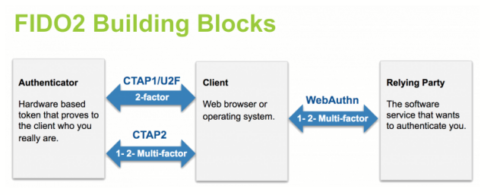
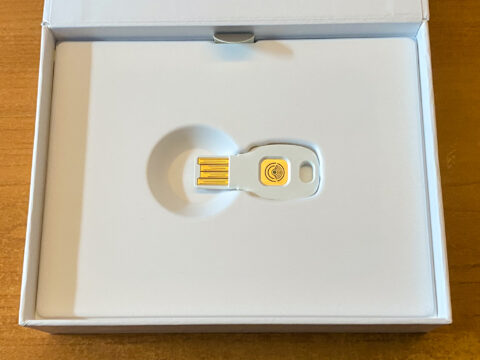
While the most well-known provider of hardware security keys, Yubico, offers various models of the YubiKey, Google relies on a standard model. The only difference is the connection: users can choose between USB-A and USB-C. The Google Titan Security Key uses the FIDO2 standard for authentication, specifically WebAuthN and passkeys are available.
One advantage of the Google stick is the large number of services it supports, as up to 250 accounts can be secured with the stick. In contrast to the first version, the second version of the stick is more versatile. Thanks to NFC, the hardware token can also be used on mobile devices for authentication. This means that well-known services such as your own Microsoft or Apple account can also be secured. Nextcloud and Bitwarden also support this login method.
However, it should be noted that some services – including Apple – require two different devices when using a hardware token. This is to ensure that secure access to the account is still possible in the event of loss or defect.
Comment: 2FA is now mandatory
It is still shocking how many users will still forego 2FA in 2024, citing the loss of convenience. It is like installing a front door but leaving out the lock – a scenario that no one would accept in the physical world. So why should you act differently on the Internet? At the very latest, when there is financial loss or an account with all its data is taken over, a rethink will certainly begin. But why should you let it get that far when there are ways to prevent it? Regardless of whether it is a TOTP app or a hardware token: 2FA will be mandatory by 2024 at the latest, just like a password manager.
What do you think about 2-factor authentication? Is it a tedious obligation or a voluntary security measure?