Nintendo surprised Zelda fans in 2001 with two Game Boy Color adventures released at the same time that belonged together in an unusual way.
Two independent Zelda games and at the same time an ingenious combination
It wasn’t just two slightly different versions of the same game, but you got two full-fledged Zelda adventures with its own game world, its own plot and different focuses. The highlight: Both games only unfold their ultimate fun when combined.
Oracle of Seasons put the focus on fights and action. You could change the seasons as you wish and thereby influence the game world. In addition, new paths could be opened and obstacles overcome, which you could use to your advantage in the fight against your opponents. If you liked it adventurous, this was the right place for you.
At Oracle of Ages The focus was on tricky puzzles in which, as a special feature, you traveled through time between the past and the present. All fans of puzzles got their money’s worth with this game.
The Zelda games weren’t a second Pokémon edition
The Zelda duo quickly came up with a comparison with Pokémon. Here too, two modules, Pokémon Red and Blue, appeared in stores at the same time (released in Germany/Europe in 1999). However, gamers quickly realized that with Zelda, Nintendo went a significant step further than Pokémon.
The Pokémon editions were largely similar, while the two Zelda games offered independent adventures with different worlds, dungeons and stories and also delivered a fully-fledged gaming experience separately from each other.
The Zelda adventures were not entirely separate from each other. Certain items appeared in both games and some animal companions were identical. Still, each trip felt distinct.
The success proved Nintendo right: both titles barely sold four million times and are now among the most popular handheld Zelda games ever.
On the hunt for codes for even more gaming experience
But how exactly were they both? Zelda games intertwined? After completing a Zelda game, players received a special code. This could be entered in the other adventure, which unlocked additional content, special items and new characters.
This in turn created new codes in the linked game that you could transfer back to the first adventure. This meant that the deeper you immersed yourself in both games, the more closely they became interconnected as “linked games”. Little by little, an experience emerged that went well beyond two ordinary Game Boy modules.
Are you now in the mood for a round of retro Zelda? In the video we give you a foretaste:
» Watch video: The Legend of Zelda: Oracle of Ages and Oracle of Season for the Switch
The true end only existed for those who were particularly persistent
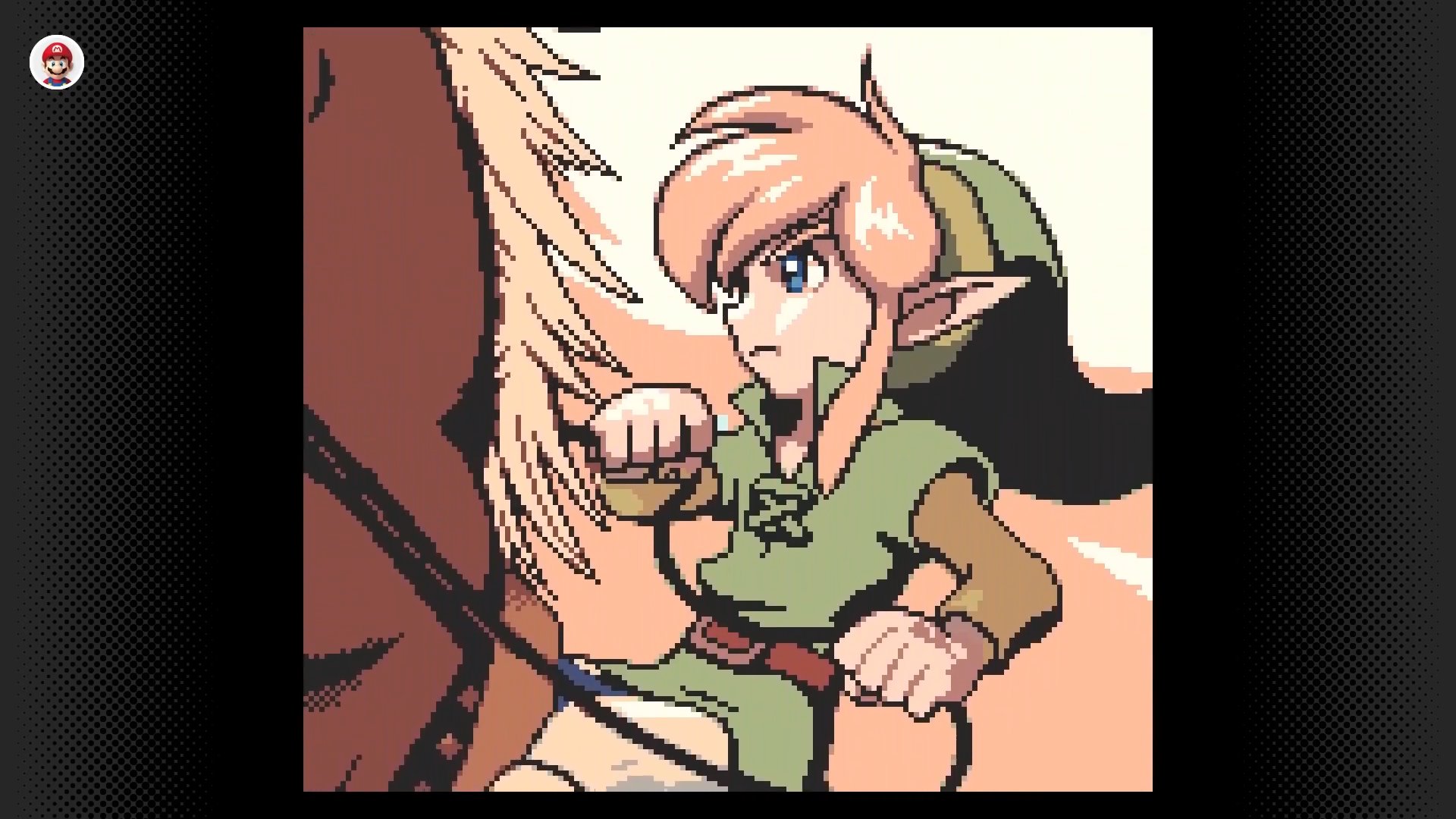
In the Zelda duo, the player became a bridge between two gaming worlds. Only through your game progress could you both adventures are linked together become. The link wasn’t essential to being able to play the games separately, but it was the key to the true finale, including an additional boss fight.
And what about actually Princess Zelda? Don’t worry, of course it’s not missing. Princess Zelda plays a role in the linked finale and of course you could also look forward to Ganon as your absolute final opponent. But nothing more will be revealed at this point.
For everyone who does Do the experiment today If you want to, there is good news: Both are on Switch and Switch 2 Game Boy Color classic above Nintendo Switch Online available. Really great: Even the linked game system still works there, so that you can still experience the special connection between the two adventures just as you did back then, 25 years later.