In the application directory Snap Storemaintained by Canonical and promoted for use on Ubuntu, revealed 10 applications styled as official clients for popular cryptocurrency wallets, but in fact not related to the developers of these projects and performing malicious actions. Moreover, in the catalog these applications are labeled “Safe”, which creates the illusion that the application has been verified and is safe.
The apps are posted by user digisafe00000 with names similar to “exodus-build-96567” but appear in the app list as regular crypto apps Exodus, Tronlink, Polygon, Electrum, Uniswap, Ladger, Metamask, JaxxLiberty, Avalanche and Trustwallet.
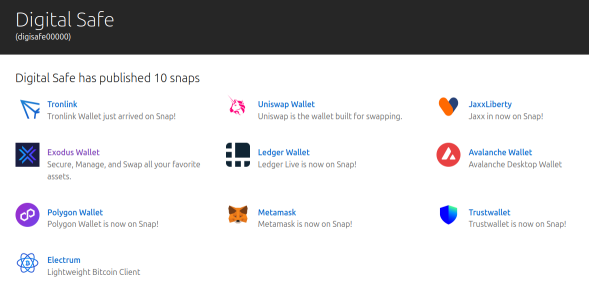
Currently, these applications have already been removed from the Snap Store catalog, but almost immediately after their removal, they were re-listed under a new user codeguard0x0000 with slightly changed package names (for example, “exodus-build-71776” and “metamask-stable28798”).

Similar activity observed in February and resulted in the theft of approximately 9 bitcoins (approximately $500,000) from a user who installed a fake Exodus client. Since the authors of malicious applications easily bypass the automatic system for checking published packages on the Canonical forum, some participants offer generally prohibit the publication of unverified applications related to cryptocurrency in the Snap Store, similar to how the publication of cryptocurrency projects was prohibited in the SourceHut collaborative development platform in 2022.
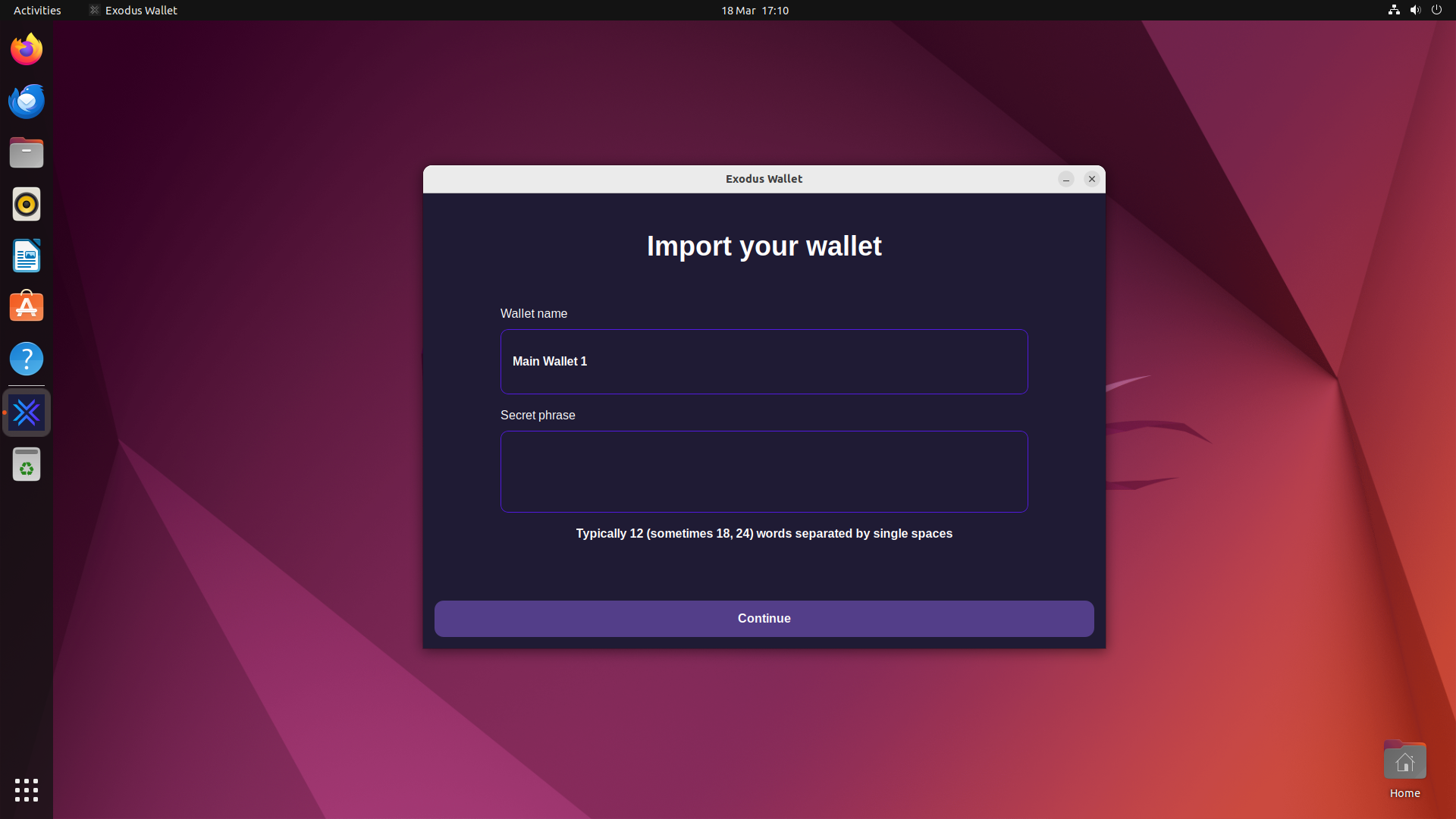
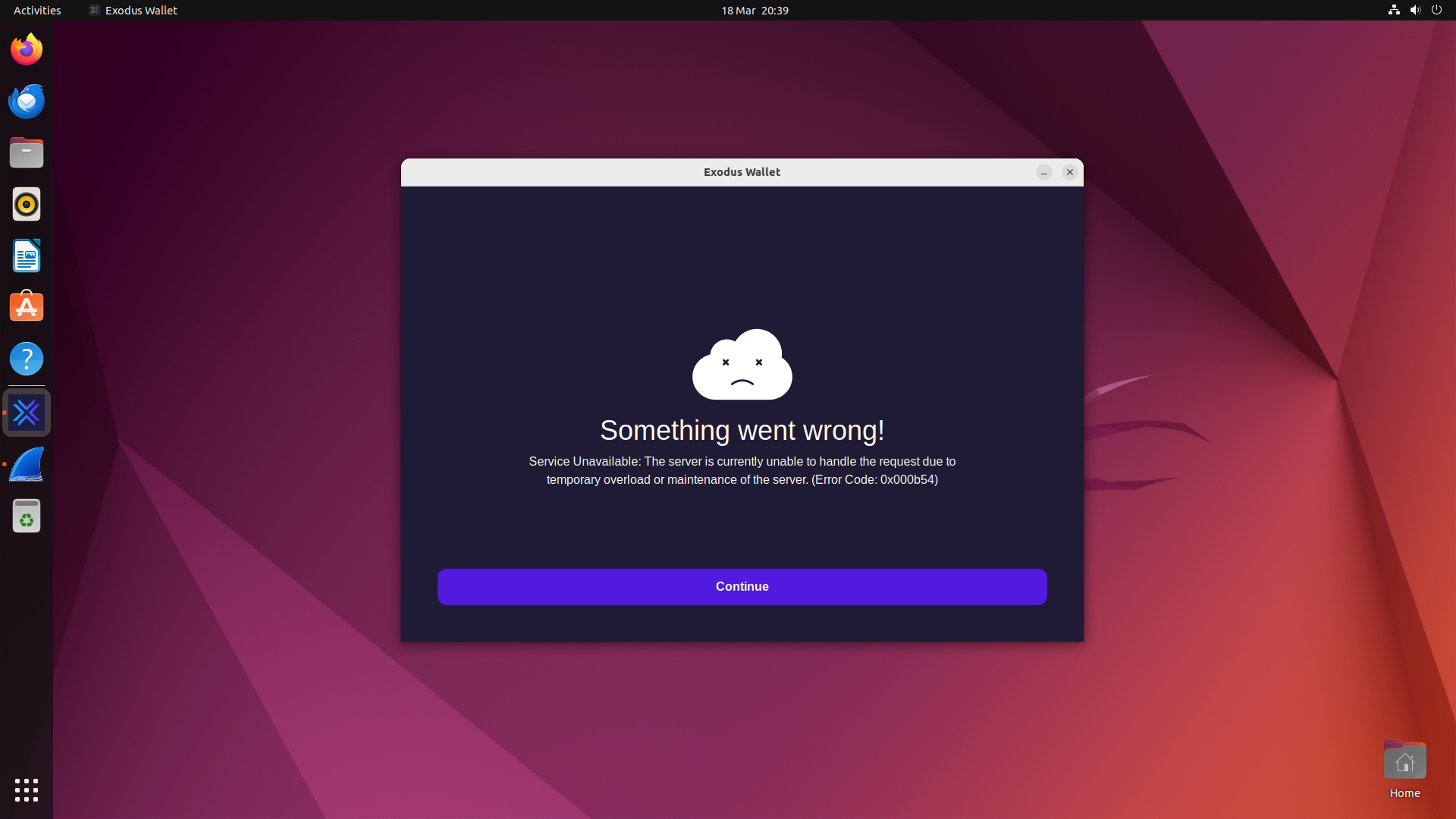
The applications are dummies that display web pages from an external site (for example, “using a WebKit GTK-based wrapper that simulates the operation of a regular desktop application (in the February incident, dummy applications written in Flutter were used). Of the functions, only the operation of importing keys and wallet recovery, and attempts to create a new wallet end with an error.
If the user performs an import operation of an existing wallet, the key recovery phrase associated with it is sent to the attackers’ server, and the user is shown a message about the wallet recovery error. Having gained access to the keys, the attackers then withdraw all funds from the victim’s wallet.
Thanks for reading: